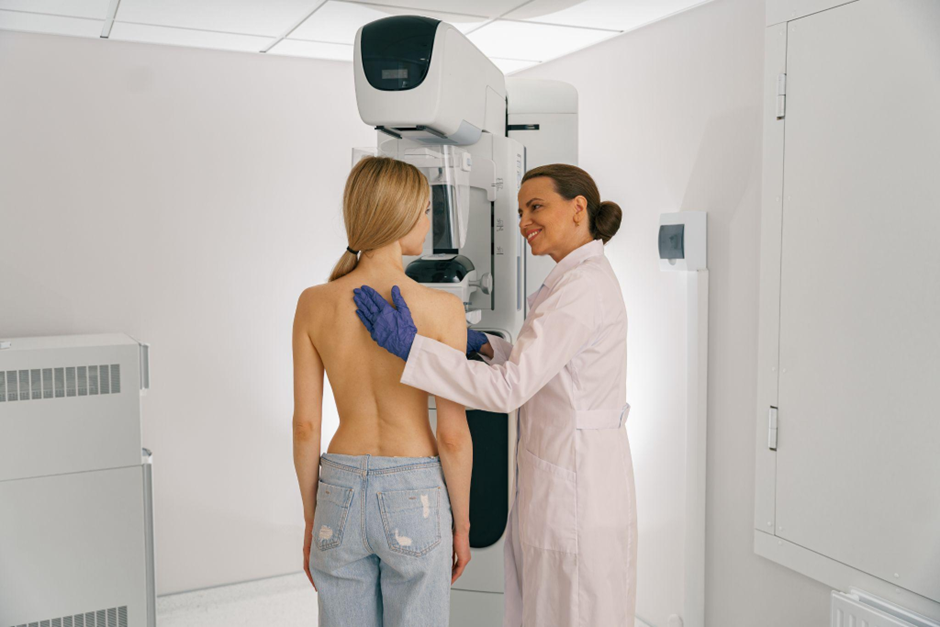
Mammograms are the gold standard for breast cancer screening, capable of detecting microscopic changes long before they can be felt during a physical exam. However, advice on screening frequency can sometimes be confusing. Understanding the correct timeline based on your age and risk level is a critical step in proactive health management.
Standard Screening Guidelines by Age
For individuals at average risk (no personal or strong family history of breast cancer), global health organizations generally recommend the following timeline:
- Ages 40 to 49: This is the optional starting window. Many major medical guidelines recommend that individuals have the choice to start annual mammograms as early as age 40.
- Ages 50 to 74: This is the most critical screening window. It is highly recommended to get a mammogram every 1 to 2 years.
- Age 75 and Older: Screenings are typically continued if you are in good overall health and have a life expectancy of 10 years or more.
When to Screen Earlier: High-Risk Factors
The standard timeline changes if you fall into a high-risk category. You may need to start mammograms before age 40, or combine them with other screenings (like an MRI), if you have:
- A known BRCA1 or BRCA2 gene mutation.
- A parent, sibling, or child who has had breast cancer.
- A history of radiation therapy to the chest area at a young age
- Dense breast tissue (which can make lumps harder to see on a standard mammogram)
Why Mammogram Interpretations Can Vary
Reading a mammogram is highly complex. Factors like dense breast tissue or minor tissue overlap can sometimes lead to:
1. False Positives: Showing an anomaly that turns out to be harmless, causing unnecessary anxiety.
2. Missed Signs: Subtle, microscopic changes that can be difficult for the human eye to spot during a routine review.
How AI Second Opinion Enhances Screening Accuracy
If you have recently received a mammogram report and find the results ambiguous, or if you simply want a definitive double-check, AI Second Opinion serves as your advanced digital safeguard.
- Objective Data Analysis: Our specialized AI algorithms analyze your radiology scans alongside thousands of validated medical data points to cross-verify the initial findings.
- Eliminating Uncertainty: Skip the stressful, weeks-long waiting periods for an inperson specialist review. Get rapid, objective clarity on your existing reports.
- Clear Explanations: We break down complex clinical terminology and diagnostic scoring (such as BI-RADS categories) into simple, actionable insights.
Getting your scheduled mammogram is your first line of defense; utilizing advanced AI for an objective second opinion ensures your results are evaluated with maximum precision.